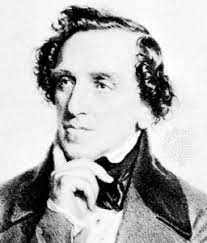
When I started this project, I was researching all Romantic operas that were orchestrated for the saxophone. 800+ works of operas and ballets later, I am still finding early Romantic operas, including Giacomo Meyerbeer’s (1791-1864) 1849 grand opera, Le Prophète, which makes it the second oldest opera in the database after George Kastner’s 1844 opera, La dernier roi de Juda. Kastner’s work has not been staged since its premiere which leaves Meyerbeer’s Le Prophète the very first work for the saxophone in opera that we are able to listen to. But the saxophone’s inclusion in the instrumentation is only a recent development.
In 1848, Meyerbeer was introduced to the saxophone at the Paris Opéra and decided to use it during the climax of his opera Le Prophète, to highlight the death of one of the main characters Berthe. The oboist, Louis Verroux, transcribed the solo–originally for cello– for the saxophone. Clocking in at 4+ hours, Le Prophète needed significant cuts before the premiere. Meyerbeer’s personal secretary, Johannes Weber recounts Meyerbeer’s reaction to the cuts as detailed in the liner notes to this new recording, “One morning he [Meyerbeer] told me that the scene had been cut. Berthe stabs herself, falls into the scenery and everything has been said; the saxophone disappeared.” With that deletion in the 5th act, the saxophone was completely cut from the opera.
In 2017, a new recording of Le Prophète by the Essener Philharmoniker directed by Guiliano Carella attempts to correct the historical record. Using Johannes Weber’s notes on the opera, the music has been restored to Meyerbeer’s original score, including the saxophone solos, performed by Kristof Dömötör. Here is the original 5th act saxophone solo:
Earlier in the opera, the saxophone has a small solo in the 3rd act, a remembrance motif. The use of the motif in the 3rd act and the saxophone solo during the 5th act connects those two ideas in the opera.
This recording corrects the historical record, placing the saxophone in the score as Meyerbeer intended. With this new recording of Le Prophète, this opera is now entered into the database. To learn more about the saxophone at the Paris Opéra, check out my on Adolph Sax which goes into detail on Meyerbeer’s other opera that is orchestrated for the saxophone, L’Africaine.
If you are enjoying what you’ve read here, please donate! Any amount will keep this website running.
 the Operatic Saxophone
Leave a reply to The Operatic Saxophone turns one year old—celebrate it by watching opera – the Operatic Saxophone Cancel reply